 There isn’t that much difference in 2013 between a traditional recording studio, as in recording onto tape, and a virtual recording studio, where you record directly to a computer. Audio immediately enters into what we might call the virtual realm immediately upon recording. Instead of being held on tape format, audio can literally be beamed through the air and transferred from one box to another. It can also be duplicated and replicated any number of times without losing any fidelity.
The best news of all is that the virtual recording studio is the one that is simultaneously more advanced AND more affordable. In fact, odds are incredibly high that you already own a virtual recording studio. If you have a computer with a sound card and any kind of microphone, then your virtual recording studio is probably sitting in a room in your house, or on your laptop.
Just a few years ago, that kind of home recording studio would not have been quite enough to yield professional quality audio. But today, with the availability of unbelievably affordable (some ever free!) recording software (Audacity, Reaper, Adobe Audition, or n-Track Studio just to name a few) and USB microphones (such as the Samson Q1U, Samson G-Track or Blue Yeti), professional sound audio is achievable for just about anyone with a computer, or even a smart phone now!
At the risk of over-simplifying it, the process goes something like this:
- Open your recording software that might have cost you anywhere between $0 and $50 to start out with.
- Speak, sing, or play an instrument in front of a microphone that is hooked up to your computer via a USB cable (or to your iPhone, iPad, or iPod touch if you have the IK Multimedia iRig Mic!).
- Save your finished song, voice-over, or whatever audio you were recording.
- Done.
Speed, quality and ease are the benefits of the virtual recording studio. And if you are collaborating with others on a project involving audio, there is no better way to do it than virtually. Say you need someone with that movie-announce voice to do the intro and “outtro” of your podcast or radio show. Just send that person (if you don’t know them already, you can hire them from places like Voices.com…all in cyberspace) the script via e-mail. They record your script and send it back to you via e-mail. Now all you have to do is insert the movie-announcer voice into your recording software, put some royalty-free background music behind it (or even music you composed and recorded), and voila, you have a professional podcast or radio show introduction and closer, all done in the virtual world; no tapes or CDs to mail back and forth, etc.
Of course you can do the same thing with music. Is your singer in Washington, your other singer in London, and your bass player in Los Angeles? No problem. Send them all an audio file of the demo song over the internet, have them record their parts and e-mail them back to you, then mix it all together into a final song. Your band may never have even seen each other during recording! How amazing is that?
If you’d like to investigate the virtually (no pun intended) limitless audio possibilities of a virtual recording studio, come visit Home Brew Audio on the web. Who knows? A new career may be in the offing with the virtual recording studio you may not even know you already had.
 ). Mix in your studio first. Then listen to the test mix on as many systems as possible, including the car (very important), ipod, other computers, your “good” stereo/entertainment system, etc. Make lots and lots of notes, come back to the studio and mix again, tweaking according to your notes. Repeat the process until it sounds good on all systems. That’s my advice for getting by with cheap monitors in a home recording studio.
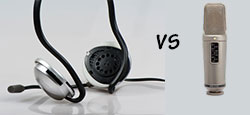 I have two clips of audio for you to listen to. Both are voice over recordings. One was recorded with a $5.00 plastic PC mic plugged directly into the built-in sound card of a 6-year old standard PC. The other guy used a $300 studio microphone being fed through a $200 audio interface. So what we have are two clips of audio that on paper should be light-years apart in audio quality; essentially, one should sound 500 times better than the other, right? Well since the gear cost 500 times more, it may not be be 500 times better, but it should be really obvious shouldn’t it?
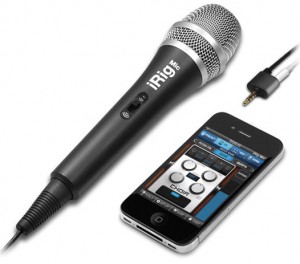 Hey home recording ninjas! Need to do any recording whilst out and about? How’s this for the ultimate portable recording rig? The